
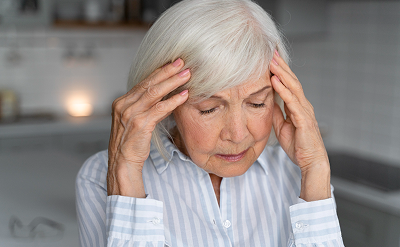
Statin Safety: What Every Senior Should Know
As a pharmacist working closely with older adults, I often get questions about statin medications. Statins are among the most commonly prescribed drugs in the U.S. for lowering cholesterol and reducing the risk of heart attacks and strokes. While they’re generally safe and effective, there are important considerations—especially for seniors. Let’s go over key “statin pearls” every older adult should understand.
🩺 1. Why You’re Taking a Statin
Statins (like atorvastatin, simvastatin, and rosuvastatin) work by blocking an enzyme your body uses to make cholesterol. High cholesterol can clog arteries over time, leading to heart attacks or strokes. If your doctor prescribed a statin, it’s because your cardiovascular risk is high enough to benefit from lowering your cholesterol.
🧠 2. Know Your Numbers
Before and during statin therapy, your provider will monitor:
- Lipid panel: to check LDL (“bad cholesterol”) and HDL (“good cholesterol”).
- Liver enzymes (AST/ALT): since statins are processed by the liver.
- Creatine kinase (CK) if you’re experiencing muscle pain, to check for muscle injury.
Ask your provider: “What is my LDL goal?” and “When will we recheck labs?”
💪 3. Muscle Pain Isn’t Always Normal
Some patients—especially older adults—report muscle aches, fatigue, or weakness. This is the most common side effect and may occur in the thighs, shoulders, or back. While mild soreness can be manageable, persistent or severe pain may be a sign of muscle damage.
💡 Pearl: If you notice new or worsening muscle pain, don’t stop the statin on your own—talk to your pharmacist or doctor first. A dose adjustment or change to a different statin might help.
🧓 4. Age-Related Sensitivities
Older adults are more likely to experience side effects due to:
- Slower metabolism of medications
- Multiple prescriptions (polypharmacy) increasing interaction risks
- Dehydration or frailty, which can increase muscle side effect risk
💡 Pearl: If you’re 75 or older and not at high cardiovascular risk, a statin may not always be necessary. It’s okay to ask your provider: “Do the benefits still outweigh the risks at my age?”
💊 5. Statin Interactions to Watch For
Certain medications can increase statin levels in the body, raising the risk for side effects:
- Antibiotics like clarithromycin
- Heart meds like amiodarone or diltiazem
- Grapefruit juice (especially with simvastatin or lovastatin)
💡 Pearl: Always double-check with your pharmacist before starting new medications—even over-the-counter or supplements.
📞 7. Communication Is Key
Let your healthcare team know if:
- You feel new weakness or confusion You’re thinking about stopping the statin You’re adding herbal or alternative remedies
💡 Pearl: Your pharmacist can help personalize your medication plan, especially if you’re on several prescriptions.
Final Thought
Statins can be lifesaving, but like all medications, they must be used thoughtfully—especially in older adults. If you or a loved one is taking a statin, take time to review your medication list, know what to watch out for, and ask questions regularly. As your pharmacist, I’m here to help you make sure your therapy is safe, effective, and tailored to your needs.
✅ Need a personalized medication review?
I offer consultations to help seniors better understand their medications—including statins—and reduce unnecessary risks. Visit www.abconsultingpharmd.com or call (847) 828-9926 to schedule your session today.